🎉 Up to 70% Off Selected ItemsShop Sale
POSSESSIONS INDIGNEOUS ART COLONIAL CULTURE
Nicholas Thomas
Hardback | 368 pages
Publication date 07 Jul 2022
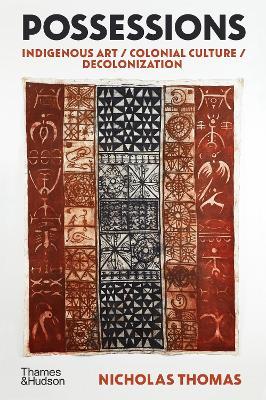
A timely re-examination of European engagements with indigenous art and the presence of indigenous art in the contemporary art world.
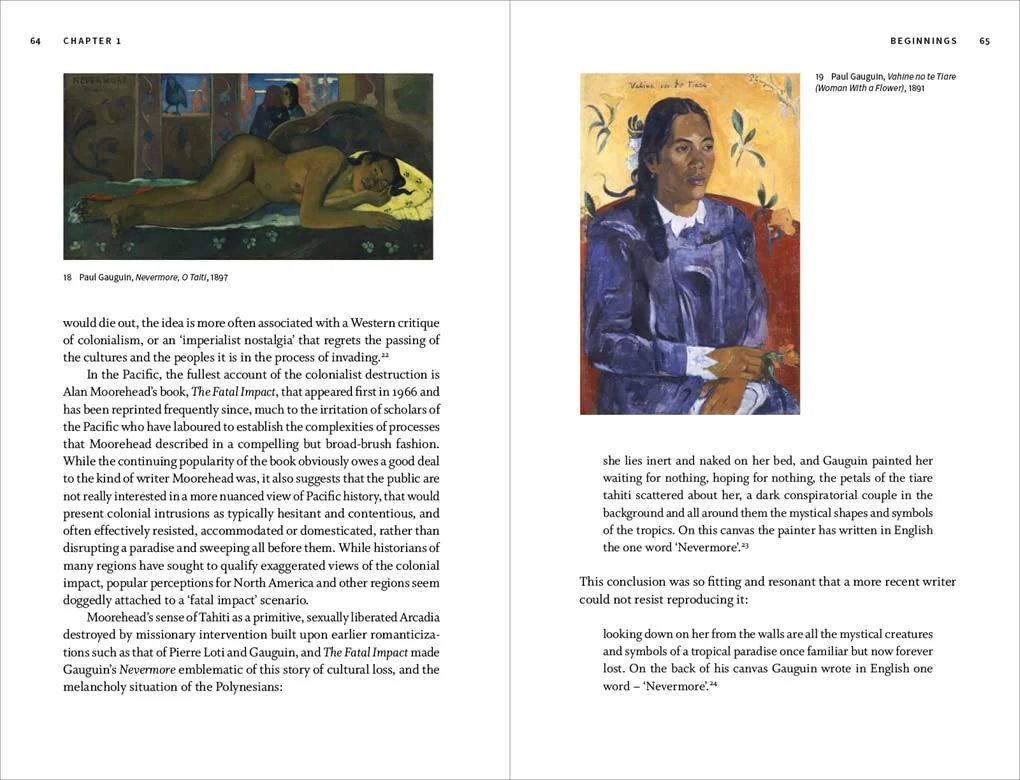
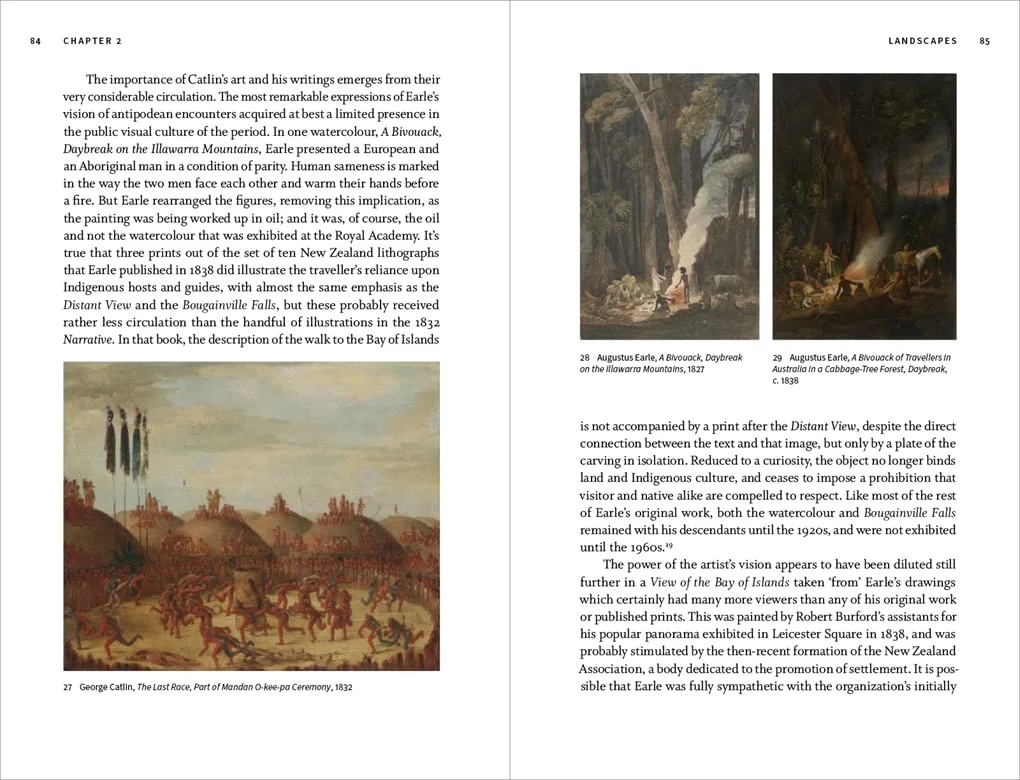
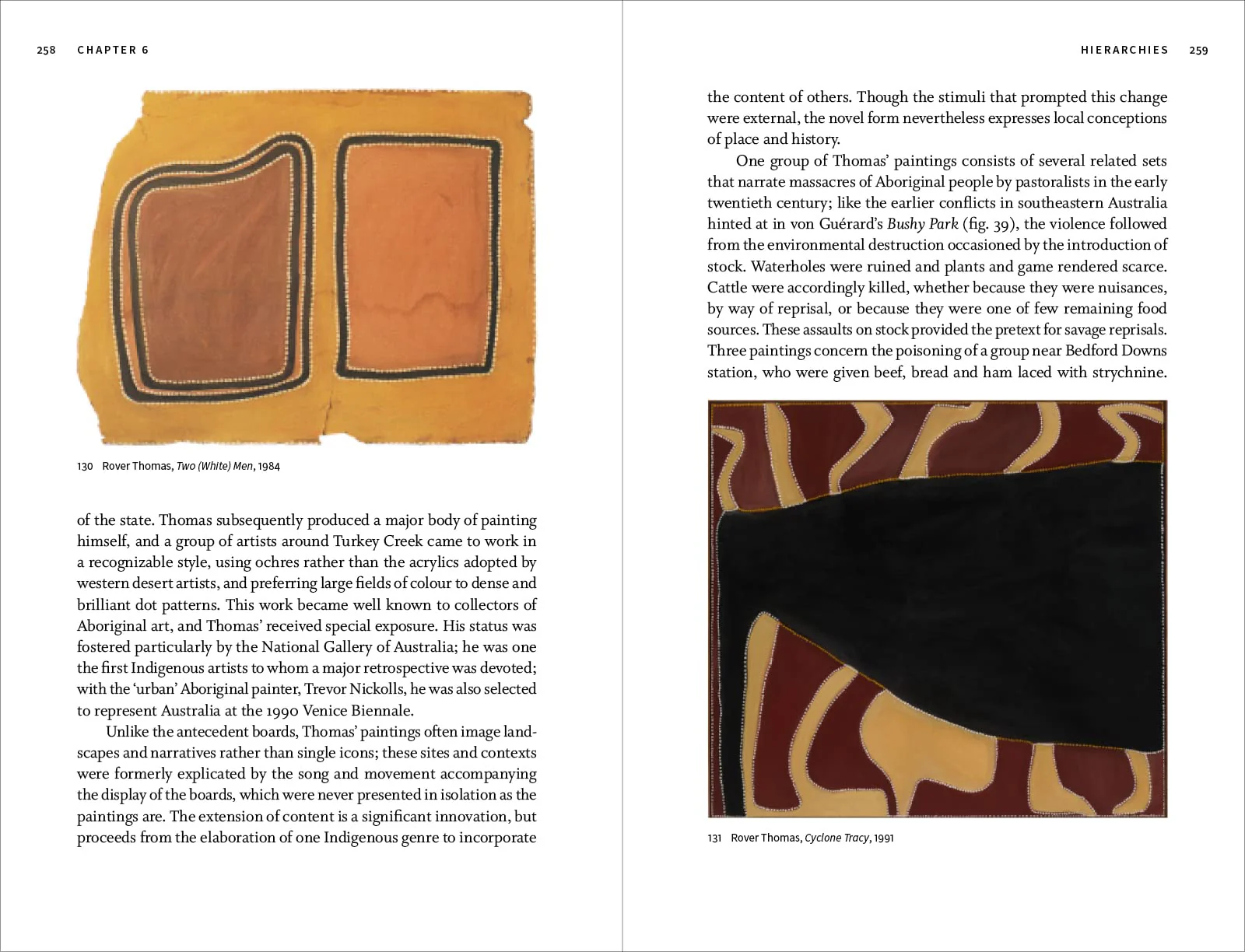
The arts of Africa, Oceania and native America famously inspired twentieth-century modernist artists such as Picasso, Matisse and Ernst. The politics of such stimulus, however, have long been highly contentious: was this a cross-cultural discovery to be celebrated, or just one more example of Western colonial appropriation?
This revelatory book explores cross-cultural art through the lens of settler societies such as Australia and New Zealand, where Europeans made new nations, displacing and outnumbering but never eclipsing native peoples. In this dynamic of dispossession and resistance, visual art has loomed large. Settler artists and designers drew upon Indigenous motifs and styles in their search for distinctive identities. Yet powerful Indigenous art traditions have asserted the presence of First Nations peoples and their claims to place, history and sovereignty. Cultural exchange has been a two-way process, and an unpredictable one: contemporary Indigenous art draws on global contemporary practice, but moves beyond a bland affirmation of hybrid identities to insist on the enduring values and attachment to place of Indigenous peoples.
Hardback | 368 pages
Publication date 07 Jul 2022
A timely re-examination of European engagements with indigenous art and the presence of indigenous art in the contemporary art world.
The arts of Africa, Oceania and native America famously inspired twentieth-century modernist artists such as Picasso, Matisse and Ernst. The politics of such stimulus, however, have long been highly contentious: was this a cross-cultural discovery to be celebrated, or just one more example of Western colonial appropriation?
This revelatory book explores cross-cultural art through the lens of settler societies such as Australia and New Zealand, where Europeans made new nations, displacing and outnumbering but never eclipsing native peoples. In this dynamic of dispossession and resistance, visual art has loomed large. Settler artists and designers drew upon Indigenous motifs and styles in their search for distinctive identities. Yet powerful Indigenous art traditions have asserted the presence of First Nations peoples and their claims to place, history and sovereignty. Cultural exchange has been a two-way process, and an unpredictable one: contemporary Indigenous art draws on global contemporary practice, but moves beyond a bland affirmation of hybrid identities to insist on the enduring values and attachment to place of Indigenous peoples.
Product Information
Product Information
Shipping & Returns
Shipping & Returns
POSSESSIONS INDIGNEOUS ART COLONIAL CULTURE
POSSESSIONS INDIGNEOUS ART COLONIAL CULTURE
Nicholas Thomas
Hardback | 368 pages
Publication date 07 Jul 2022
A timely re-examination of European engagements with indigenous art and the presence of indigenous art in the contemporary art world.
The arts of Africa, Oceania and native America famously inspired twentieth-century modernist artists such as Picasso, Matisse and Ernst. The politics of such stimulus, however, have long been highly contentious: was this a cross-cultural discovery to be celebrated, or just one more example of Western colonial appropriation?
This revelatory book explores cross-cultural art through the lens of settler societies such as Australia and New Zealand, where Europeans made new nations, displacing and outnumbering but never eclipsing native peoples. In this dynamic of dispossession and resistance, visual art has loomed large. Settler artists and designers drew upon Indigenous motifs and styles in their search for distinctive identities. Yet powerful Indigenous art traditions have asserted the presence of First Nations peoples and their claims to place, history and sovereignty. Cultural exchange has been a two-way process, and an unpredictable one: contemporary Indigenous art draws on global contemporary practice, but moves beyond a bland affirmation of hybrid identities to insist on the enduring values and attachment to place of Indigenous peoples.
Hardback | 368 pages
Publication date 07 Jul 2022
A timely re-examination of European engagements with indigenous art and the presence of indigenous art in the contemporary art world.
The arts of Africa, Oceania and native America famously inspired twentieth-century modernist artists such as Picasso, Matisse and Ernst. The politics of such stimulus, however, have long been highly contentious: was this a cross-cultural discovery to be celebrated, or just one more example of Western colonial appropriation?
This revelatory book explores cross-cultural art through the lens of settler societies such as Australia and New Zealand, where Europeans made new nations, displacing and outnumbering but never eclipsing native peoples. In this dynamic of dispossession and resistance, visual art has loomed large. Settler artists and designers drew upon Indigenous motifs and styles in their search for distinctive identities. Yet powerful Indigenous art traditions have asserted the presence of First Nations peoples and their claims to place, history and sovereignty. Cultural exchange has been a two-way process, and an unpredictable one: contemporary Indigenous art draws on global contemporary practice, but moves beyond a bland affirmation of hybrid identities to insist on the enduring values and attachment to place of Indigenous peoples.
$11.08
Original: $31.67
-65%POSSESSIONS INDIGNEOUS ART COLONIAL CULTURE—
$31.67
$11.08Product Information
Product Information
Shipping & Returns
Shipping & Returns
Description
Nicholas Thomas
Hardback | 368 pages
Publication date 07 Jul 2022
A timely re-examination of European engagements with indigenous art and the presence of indigenous art in the contemporary art world.
The arts of Africa, Oceania and native America famously inspired twentieth-century modernist artists such as Picasso, Matisse and Ernst. The politics of such stimulus, however, have long been highly contentious: was this a cross-cultural discovery to be celebrated, or just one more example of Western colonial appropriation?
This revelatory book explores cross-cultural art through the lens of settler societies such as Australia and New Zealand, where Europeans made new nations, displacing and outnumbering but never eclipsing native peoples. In this dynamic of dispossession and resistance, visual art has loomed large. Settler artists and designers drew upon Indigenous motifs and styles in their search for distinctive identities. Yet powerful Indigenous art traditions have asserted the presence of First Nations peoples and their claims to place, history and sovereignty. Cultural exchange has been a two-way process, and an unpredictable one: contemporary Indigenous art draws on global contemporary practice, but moves beyond a bland affirmation of hybrid identities to insist on the enduring values and attachment to place of Indigenous peoples.
Hardback | 368 pages
Publication date 07 Jul 2022
A timely re-examination of European engagements with indigenous art and the presence of indigenous art in the contemporary art world.
The arts of Africa, Oceania and native America famously inspired twentieth-century modernist artists such as Picasso, Matisse and Ernst. The politics of such stimulus, however, have long been highly contentious: was this a cross-cultural discovery to be celebrated, or just one more example of Western colonial appropriation?
This revelatory book explores cross-cultural art through the lens of settler societies such as Australia and New Zealand, where Europeans made new nations, displacing and outnumbering but never eclipsing native peoples. In this dynamic of dispossession and resistance, visual art has loomed large. Settler artists and designers drew upon Indigenous motifs and styles in their search for distinctive identities. Yet powerful Indigenous art traditions have asserted the presence of First Nations peoples and their claims to place, history and sovereignty. Cultural exchange has been a two-way process, and an unpredictable one: contemporary Indigenous art draws on global contemporary practice, but moves beyond a bland affirmation of hybrid identities to insist on the enduring values and attachment to place of Indigenous peoples.