🎉 Up to 70% Off Selected ItemsShop Sale
NGA KAIHANGA UKU MAORI CLAY ARTISTS
Author: Baye Pewhairangi Riddell
256 pages
The rise of an impressive ceramics movement is one of the more striking developments in contemporary Maori art. Clayworking and pottery firing was an ancient Pacific practice, but the knowledge had largely been lost by the ancestors of Maori before they arrived in Aotearoa. After the national clayworkers’ collective, Nga Kaihanga Uku, was established in 1987, traditional ancestral knowledge and customs and connections with indigenous cultures with unbroken ceramic traditions helped shape a contemporary Maori expression in clay.
This book is the first comprehensive overview of Maori claywork, its origins, loss and revival. Richly illustrated, it introduces readers to the practices of the five founders of Nga Kaihanga Uku and also surveys the work of the next generation.
256 pages
The rise of an impressive ceramics movement is one of the more striking developments in contemporary Maori art. Clayworking and pottery firing was an ancient Pacific practice, but the knowledge had largely been lost by the ancestors of Maori before they arrived in Aotearoa. After the national clayworkers’ collective, Nga Kaihanga Uku, was established in 1987, traditional ancestral knowledge and customs and connections with indigenous cultures with unbroken ceramic traditions helped shape a contemporary Maori expression in clay.
This book is the first comprehensive overview of Maori claywork, its origins, loss and revival. Richly illustrated, it introduces readers to the practices of the five founders of Nga Kaihanga Uku and also surveys the work of the next generation.
Product Information
Product Information
Shipping & Returns
Shipping & Returns
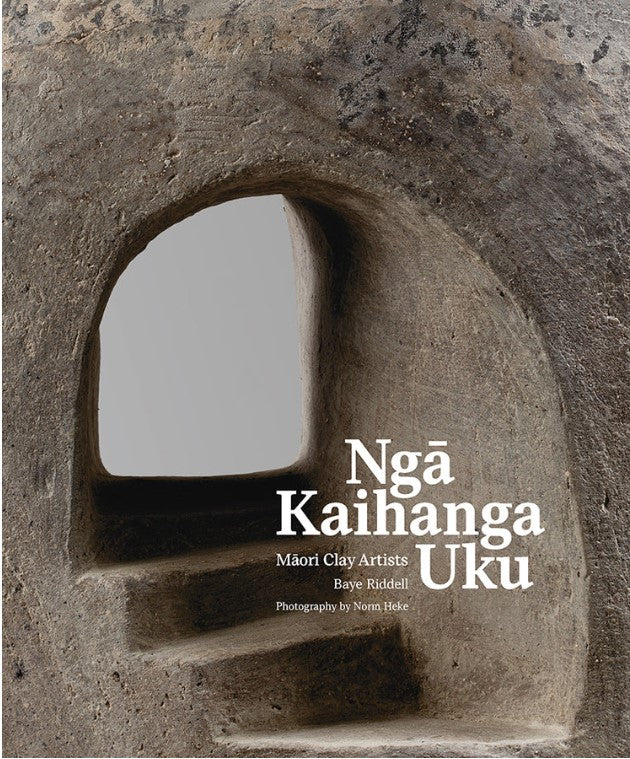
NGA KAIHANGA UKU MAORI CLAY ARTISTS
NGA KAIHANGA UKU MAORI CLAY ARTISTS
Author: Baye Pewhairangi Riddell
256 pages
The rise of an impressive ceramics movement is one of the more striking developments in contemporary Maori art. Clayworking and pottery firing was an ancient Pacific practice, but the knowledge had largely been lost by the ancestors of Maori before they arrived in Aotearoa. After the national clayworkers’ collective, Nga Kaihanga Uku, was established in 1987, traditional ancestral knowledge and customs and connections with indigenous cultures with unbroken ceramic traditions helped shape a contemporary Maori expression in clay.
This book is the first comprehensive overview of Maori claywork, its origins, loss and revival. Richly illustrated, it introduces readers to the practices of the five founders of Nga Kaihanga Uku and also surveys the work of the next generation.
256 pages
The rise of an impressive ceramics movement is one of the more striking developments in contemporary Maori art. Clayworking and pottery firing was an ancient Pacific practice, but the knowledge had largely been lost by the ancestors of Maori before they arrived in Aotearoa. After the national clayworkers’ collective, Nga Kaihanga Uku, was established in 1987, traditional ancestral knowledge and customs and connections with indigenous cultures with unbroken ceramic traditions helped shape a contemporary Maori expression in clay.
This book is the first comprehensive overview of Maori claywork, its origins, loss and revival. Richly illustrated, it introduces readers to the practices of the five founders of Nga Kaihanga Uku and also surveys the work of the next generation.
$40.30
NGA KAIHANGA UKU MAORI CLAY ARTISTS—
$40.30
Product Information
Product Information
Shipping & Returns
Shipping & Returns
Description
Author: Baye Pewhairangi Riddell
256 pages
The rise of an impressive ceramics movement is one of the more striking developments in contemporary Maori art. Clayworking and pottery firing was an ancient Pacific practice, but the knowledge had largely been lost by the ancestors of Maori before they arrived in Aotearoa. After the national clayworkers’ collective, Nga Kaihanga Uku, was established in 1987, traditional ancestral knowledge and customs and connections with indigenous cultures with unbroken ceramic traditions helped shape a contemporary Maori expression in clay.
This book is the first comprehensive overview of Maori claywork, its origins, loss and revival. Richly illustrated, it introduces readers to the practices of the five founders of Nga Kaihanga Uku and also surveys the work of the next generation.
256 pages
The rise of an impressive ceramics movement is one of the more striking developments in contemporary Maori art. Clayworking and pottery firing was an ancient Pacific practice, but the knowledge had largely been lost by the ancestors of Maori before they arrived in Aotearoa. After the national clayworkers’ collective, Nga Kaihanga Uku, was established in 1987, traditional ancestral knowledge and customs and connections with indigenous cultures with unbroken ceramic traditions helped shape a contemporary Maori expression in clay.
This book is the first comprehensive overview of Maori claywork, its origins, loss and revival. Richly illustrated, it introduces readers to the practices of the five founders of Nga Kaihanga Uku and also surveys the work of the next generation.