🎉 Up to 70% Off Selected ItemsShop Sale
KLIMT BASIC ART
Author: Gilles Neret
Hardback | 96 pages
Publication date 29 Sep 2015
The unfading popularity of Gustav Klimt (1862-1918) attests not only to the particular appeal of his luxuriant painting but also to the universal themes with which he worked: love, feminine beauty, aging, and death.
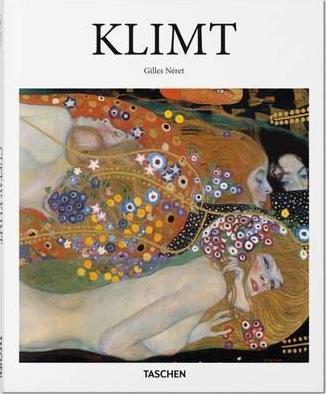
The son of a goldsmith, Klimt created surfaces of ornate and jewel-like luminosity which show the influence of both Egyptian and Japanese art. Through paintings, murals, and friezes, his work is defined by radiant color, fluid lines, floral elements, and mosaic-like patterning.
With subjects ranging from sensuality and desire to anxiety and despair, all this iridescence is also suffused with feeling. Klimt's numerous images of women, characterized by curvaceous forms, tender flesh, red lips, and flushed cheeks, were particularly charged with passion, at a time when such frank eroticism was still taboo in Viennese upper-middle-class society.
This book presents a selection of Klimt's work, introducing his pictorial world of decoration and desire, as well as his influence on artists to come.
Hardback | 96 pages
Publication date 29 Sep 2015
The unfading popularity of Gustav Klimt (1862-1918) attests not only to the particular appeal of his luxuriant painting but also to the universal themes with which he worked: love, feminine beauty, aging, and death.
The son of a goldsmith, Klimt created surfaces of ornate and jewel-like luminosity which show the influence of both Egyptian and Japanese art. Through paintings, murals, and friezes, his work is defined by radiant color, fluid lines, floral elements, and mosaic-like patterning.
With subjects ranging from sensuality and desire to anxiety and despair, all this iridescence is also suffused with feeling. Klimt's numerous images of women, characterized by curvaceous forms, tender flesh, red lips, and flushed cheeks, were particularly charged with passion, at a time when such frank eroticism was still taboo in Viennese upper-middle-class society.
This book presents a selection of Klimt's work, introducing his pictorial world of decoration and desire, as well as his influence on artists to come.
Product Information
Product Information
Shipping & Returns
Shipping & Returns
KLIMT BASIC ART
KLIMT BASIC ART
Author: Gilles Neret
Hardback | 96 pages
Publication date 29 Sep 2015
The unfading popularity of Gustav Klimt (1862-1918) attests not only to the particular appeal of his luxuriant painting but also to the universal themes with which he worked: love, feminine beauty, aging, and death.
The son of a goldsmith, Klimt created surfaces of ornate and jewel-like luminosity which show the influence of both Egyptian and Japanese art. Through paintings, murals, and friezes, his work is defined by radiant color, fluid lines, floral elements, and mosaic-like patterning.
With subjects ranging from sensuality and desire to anxiety and despair, all this iridescence is also suffused with feeling. Klimt's numerous images of women, characterized by curvaceous forms, tender flesh, red lips, and flushed cheeks, were particularly charged with passion, at a time when such frank eroticism was still taboo in Viennese upper-middle-class society.
This book presents a selection of Klimt's work, introducing his pictorial world of decoration and desire, as well as his influence on artists to come.
Hardback | 96 pages
Publication date 29 Sep 2015
The unfading popularity of Gustav Klimt (1862-1918) attests not only to the particular appeal of his luxuriant painting but also to the universal themes with which he worked: love, feminine beauty, aging, and death.
The son of a goldsmith, Klimt created surfaces of ornate and jewel-like luminosity which show the influence of both Egyptian and Japanese art. Through paintings, murals, and friezes, his work is defined by radiant color, fluid lines, floral elements, and mosaic-like patterning.
With subjects ranging from sensuality and desire to anxiety and despair, all this iridescence is also suffused with feeling. Klimt's numerous images of women, characterized by curvaceous forms, tender flesh, red lips, and flushed cheeks, were particularly charged with passion, at a time when such frank eroticism was still taboo in Viennese upper-middle-class society.
This book presents a selection of Klimt's work, introducing his pictorial world of decoration and desire, as well as his influence on artists to come.
$9.27
Original: $26.48
-65%KLIMT BASIC ART—
$26.48
$9.27Product Information
Product Information
Shipping & Returns
Shipping & Returns
Description
Author: Gilles Neret
Hardback | 96 pages
Publication date 29 Sep 2015
The unfading popularity of Gustav Klimt (1862-1918) attests not only to the particular appeal of his luxuriant painting but also to the universal themes with which he worked: love, feminine beauty, aging, and death.
The son of a goldsmith, Klimt created surfaces of ornate and jewel-like luminosity which show the influence of both Egyptian and Japanese art. Through paintings, murals, and friezes, his work is defined by radiant color, fluid lines, floral elements, and mosaic-like patterning.
With subjects ranging from sensuality and desire to anxiety and despair, all this iridescence is also suffused with feeling. Klimt's numerous images of women, characterized by curvaceous forms, tender flesh, red lips, and flushed cheeks, were particularly charged with passion, at a time when such frank eroticism was still taboo in Viennese upper-middle-class society.
This book presents a selection of Klimt's work, introducing his pictorial world of decoration and desire, as well as his influence on artists to come.
Hardback | 96 pages
Publication date 29 Sep 2015
The unfading popularity of Gustav Klimt (1862-1918) attests not only to the particular appeal of his luxuriant painting but also to the universal themes with which he worked: love, feminine beauty, aging, and death.
The son of a goldsmith, Klimt created surfaces of ornate and jewel-like luminosity which show the influence of both Egyptian and Japanese art. Through paintings, murals, and friezes, his work is defined by radiant color, fluid lines, floral elements, and mosaic-like patterning.
With subjects ranging from sensuality and desire to anxiety and despair, all this iridescence is also suffused with feeling. Klimt's numerous images of women, characterized by curvaceous forms, tender flesh, red lips, and flushed cheeks, were particularly charged with passion, at a time when such frank eroticism was still taboo in Viennese upper-middle-class society.
This book presents a selection of Klimt's work, introducing his pictorial world of decoration and desire, as well as his influence on artists to come.