🎉 Up to 70% Off Selected ItemsShop Sale
CRAWLY CREATURES - DEPICTION AND APPRECIATION
196 pages
A handsomely designed visual celebration of artistic and scientific depictions of insects, lizards and more across the centuries
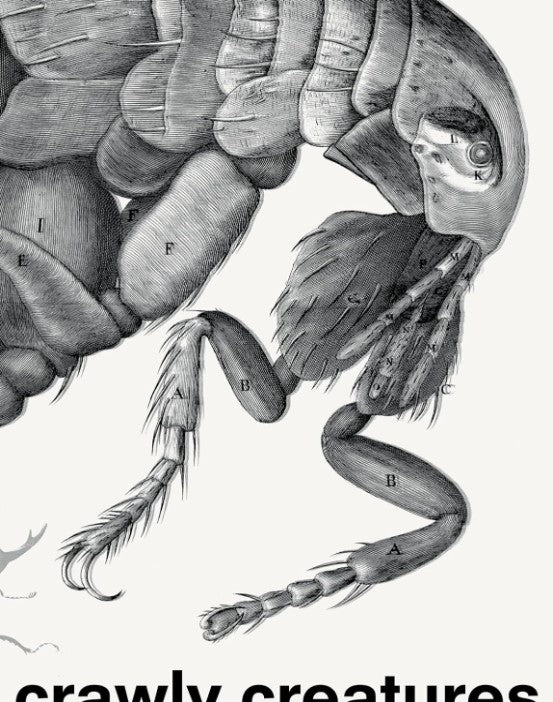
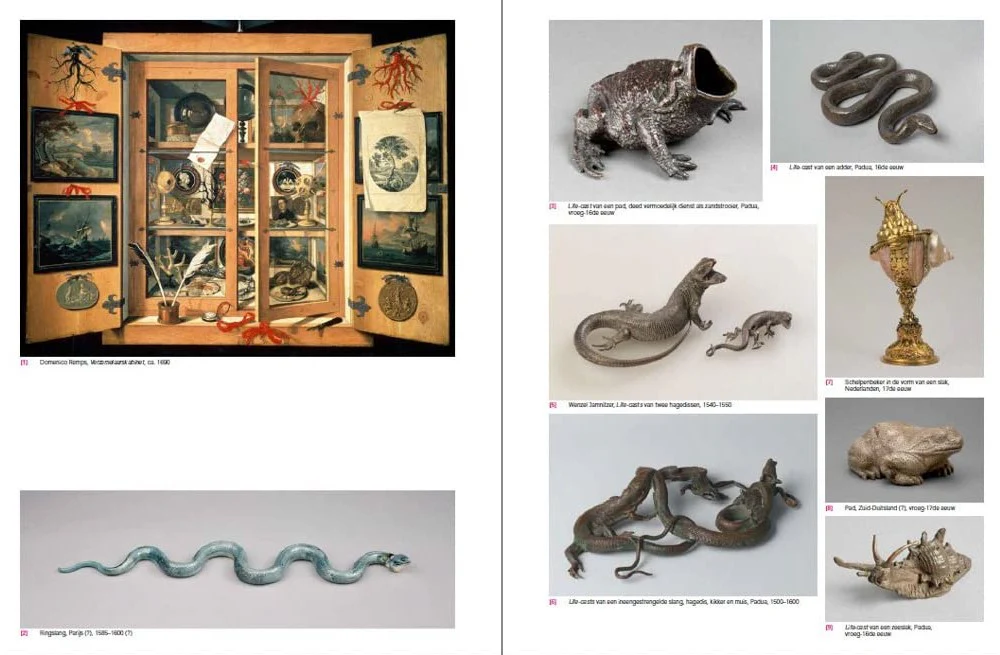
Crawly creatures: critters, spiders, lizards, toads and, above all, insects. In the Middle Ages they were mainly associated with death and the Devil; but in the 16th and 17th centuries, with the emergence of science, people began to appreciate their beauty, and such creatures appeared in works of art, became the subject of scholarly treatises and were popular collectors’ items. Artists such as Albrecht Dürer, Wenzel Jamnitzer, Jan van Kessel and Maria Sibylla Merian created beautiful depictions of these creatures.
Today, artists are still inspired by “crawly creatures” and continue to depict new ways of dealing with insects and the natural world. This richly illustrated publication, designed by Irma Boom, celebrates the wonders of small creatures and the fascinating relationship between art and science across the centuries.
A handsomely designed visual celebration of artistic and scientific depictions of insects, lizards and more across the centuries
Crawly creatures: critters, spiders, lizards, toads and, above all, insects. In the Middle Ages they were mainly associated with death and the Devil; but in the 16th and 17th centuries, with the emergence of science, people began to appreciate their beauty, and such creatures appeared in works of art, became the subject of scholarly treatises and were popular collectors’ items. Artists such as Albrecht Dürer, Wenzel Jamnitzer, Jan van Kessel and Maria Sibylla Merian created beautiful depictions of these creatures.
Today, artists are still inspired by “crawly creatures” and continue to depict new ways of dealing with insects and the natural world. This richly illustrated publication, designed by Irma Boom, celebrates the wonders of small creatures and the fascinating relationship between art and science across the centuries.
Product Information
Product Information
Shipping & Returns
Shipping & Returns
CRAWLY CREATURES - DEPICTION AND APPRECIATION
CRAWLY CREATURES - DEPICTION AND APPRECIATION
196 pages
A handsomely designed visual celebration of artistic and scientific depictions of insects, lizards and more across the centuries
Crawly creatures: critters, spiders, lizards, toads and, above all, insects. In the Middle Ages they were mainly associated with death and the Devil; but in the 16th and 17th centuries, with the emergence of science, people began to appreciate their beauty, and such creatures appeared in works of art, became the subject of scholarly treatises and were popular collectors’ items. Artists such as Albrecht Dürer, Wenzel Jamnitzer, Jan van Kessel and Maria Sibylla Merian created beautiful depictions of these creatures.
Today, artists are still inspired by “crawly creatures” and continue to depict new ways of dealing with insects and the natural world. This richly illustrated publication, designed by Irma Boom, celebrates the wonders of small creatures and the fascinating relationship between art and science across the centuries.
A handsomely designed visual celebration of artistic and scientific depictions of insects, lizards and more across the centuries
Crawly creatures: critters, spiders, lizards, toads and, above all, insects. In the Middle Ages they were mainly associated with death and the Devil; but in the 16th and 17th centuries, with the emergence of science, people began to appreciate their beauty, and such creatures appeared in works of art, became the subject of scholarly treatises and were popular collectors’ items. Artists such as Albrecht Dürer, Wenzel Jamnitzer, Jan van Kessel and Maria Sibylla Merian created beautiful depictions of these creatures.
Today, artists are still inspired by “crawly creatures” and continue to depict new ways of dealing with insects and the natural world. This richly illustrated publication, designed by Irma Boom, celebrates the wonders of small creatures and the fascinating relationship between art and science across the centuries.
$25.19
Original: $71.96
-65%CRAWLY CREATURES - DEPICTION AND APPRECIATION—
$71.96
$25.19Product Information
Product Information
Shipping & Returns
Shipping & Returns
Description
196 pages
A handsomely designed visual celebration of artistic and scientific depictions of insects, lizards and more across the centuries
Crawly creatures: critters, spiders, lizards, toads and, above all, insects. In the Middle Ages they were mainly associated with death and the Devil; but in the 16th and 17th centuries, with the emergence of science, people began to appreciate their beauty, and such creatures appeared in works of art, became the subject of scholarly treatises and were popular collectors’ items. Artists such as Albrecht Dürer, Wenzel Jamnitzer, Jan van Kessel and Maria Sibylla Merian created beautiful depictions of these creatures.
Today, artists are still inspired by “crawly creatures” and continue to depict new ways of dealing with insects and the natural world. This richly illustrated publication, designed by Irma Boom, celebrates the wonders of small creatures and the fascinating relationship between art and science across the centuries.
A handsomely designed visual celebration of artistic and scientific depictions of insects, lizards and more across the centuries
Crawly creatures: critters, spiders, lizards, toads and, above all, insects. In the Middle Ages they were mainly associated with death and the Devil; but in the 16th and 17th centuries, with the emergence of science, people began to appreciate their beauty, and such creatures appeared in works of art, became the subject of scholarly treatises and were popular collectors’ items. Artists such as Albrecht Dürer, Wenzel Jamnitzer, Jan van Kessel and Maria Sibylla Merian created beautiful depictions of these creatures.
Today, artists are still inspired by “crawly creatures” and continue to depict new ways of dealing with insects and the natural world. This richly illustrated publication, designed by Irma Boom, celebrates the wonders of small creatures and the fascinating relationship between art and science across the centuries.